Threads of the Hinterland: Inside America's Last Working Velvet Ateliers
There is a moment, common to nearly every mill visit, that no showroom can replicate. It arrives when the shuttle pauses, the weaver runs a palm across the freshly cut pile, and the room falls silent except for the hum of machinery older than anyone operating it. Velvet, at its origin, is not a product. It is a place.
For the affluent traveler weary of flagship stores and algorithmic curation, America's surviving textile ateliers offer something rarer than any garment: provenance you can stand inside. What follows is a route through the working mills, dye houses, and family workshops where premium velvet is still made largely by hand — and where, with the right introduction, you may commission a piece at its very source.
The Piedmont Pilgrimage: North Carolina's Mill Country
The story of American velvet runs through the Carolinas. Towns like Burlington and Gastonia were once the beating heart of the nation's textile trade, and while the industry contracted dramatically through the 1990s, a handful of operations endured — often family-run, fiercely specialized, and producing pile fabrics of remarkable depth.
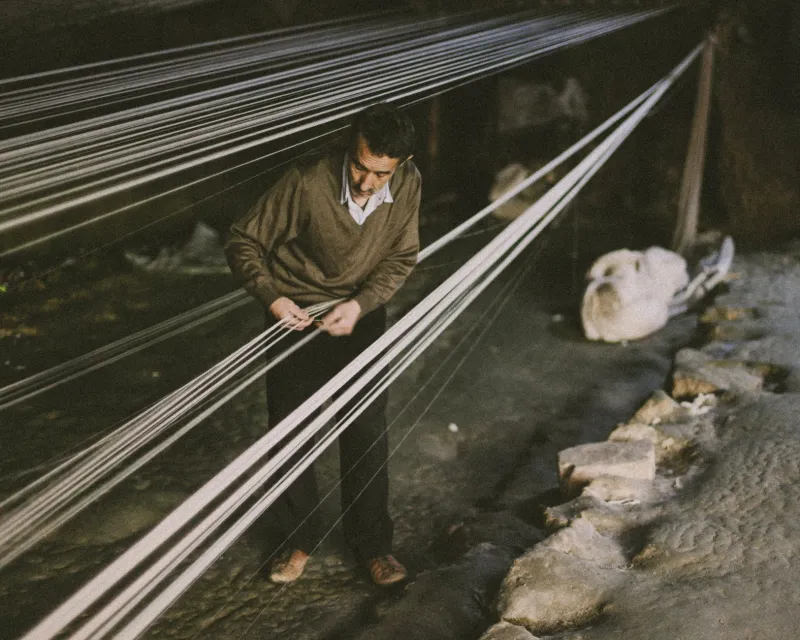
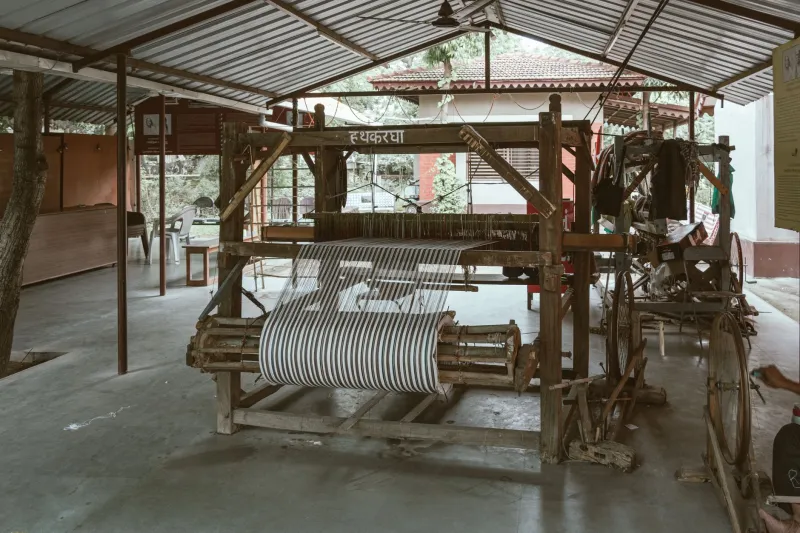
Several of these mills now accommodate private visits by appointment. A typical tour lasts two to three hours: you will see the yarn preparation rooms, the double-layer weaving process that gives velvet its distinctive pile, and the cutting frames where blades shear the fabric to its final hand. The most rewarding visits end in the sample room, where archives of discontinued colorways — some dating back decades — are available for custom commissions.
Arrange visits through regional textile heritage organizations, which maintain relationships with working mills and can facilitate introductions that cold inquiries rarely secure.
New England's Quiet Weavers
North of the mill belt, the character of the craft changes. In Rhode Island and Massachusetts, the surviving workshops are smaller, more design-oriented, and often attached to the homes of the artisans themselves. Here you will find jacquard specialists, silk velvet painters, and a small but devoted community of weavers restoring turn-of-the-century looms.
The atmosphere is intimate by necessity. Visits frequently take place in converted barns or former mill apartments, and conversations run longer than demonstrations. This is where you learn why a particular silk behaves differently under dye, or why a certain weave has not been reproduced since the 1930s. Bring time, not urgency — the New England atelier rewards patience.
The Dye House: Where Color Becomes Character
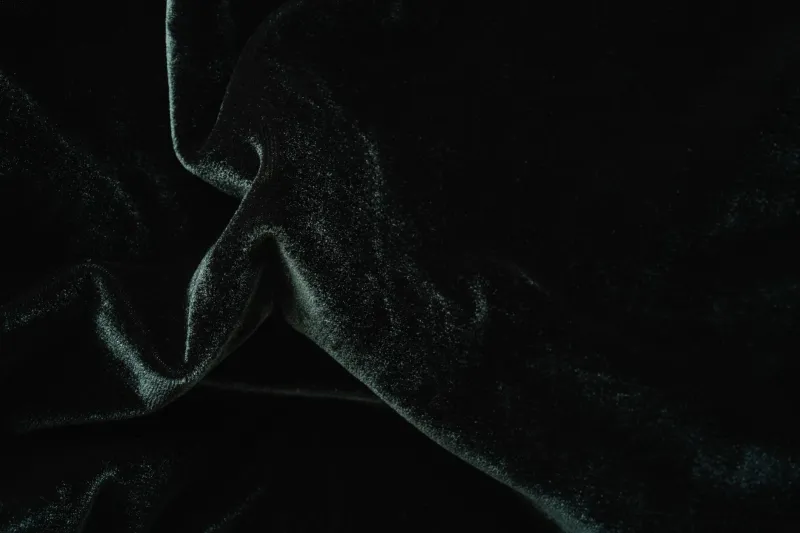
No element of velvet production is more alchemical than dyeing. A handful of American dye houses, several concentrated in the Northeast, still handle small-batch natural and low-impact synthetic dyeing for luxury clients. Watching a bolt of undyed pile emerge from a vat the color of deep garnet — the shade shifting as the nap catches the light — is among the most quietly theatrical experiences in American craft.
Some houses offer half-day sessions for serious clients, including color consultation for custom orders. If you are commissioning a bespoke piece, beginning at the dye house rather than the design studio will change everything about the finished garment.
How to Commission at the Source
Commissioning directly from an atelier follows a different etiquette than retail. A few principles serve the first-time client well:
- Begin with fabric, not silhouette. Ateliers think in yardage and weave. Choose your textile first; a trusted tailor can translate it into form afterward.
- Respect the timeline. Custom velvet may take months, particularly if dyeing is done to specification. Rushing the process is the fastest way to be remembered poorly.
- Ask about the archive. Many mills maintain pattern books spanning generations. Commissioning from a historical weave connects your garment to a lineage few pieces can claim.
- Build the relationship. The best atelier clients return. Repeat commissions earn access to limited weaves, rare fibers, and first refusal on experimental work.
An Itinerary Worth the Detour
For those plotting a route, a natural arc runs from Charlotte, North Carolina, northward through the Virginia piedmont, then on to Philadelphia — still home to commercial fabric resources and a deep textile history — before ending in the Rhode Island and Massachusetts workshops. Ten days allows for four to five visits without haste.
Pair the journey with the landscape it belongs to: Piedmont barbecue after a morning at the loom, a Providence seafood dinner following an afternoon among dye vats. Velvet has always been a fabric of place. To understand it fully, you must go where it is made — and stand, briefly, in the quiet where the pile first rises.