Before the Mirror, the Fingertips: The Lost Art of Reading Fabric by Hand
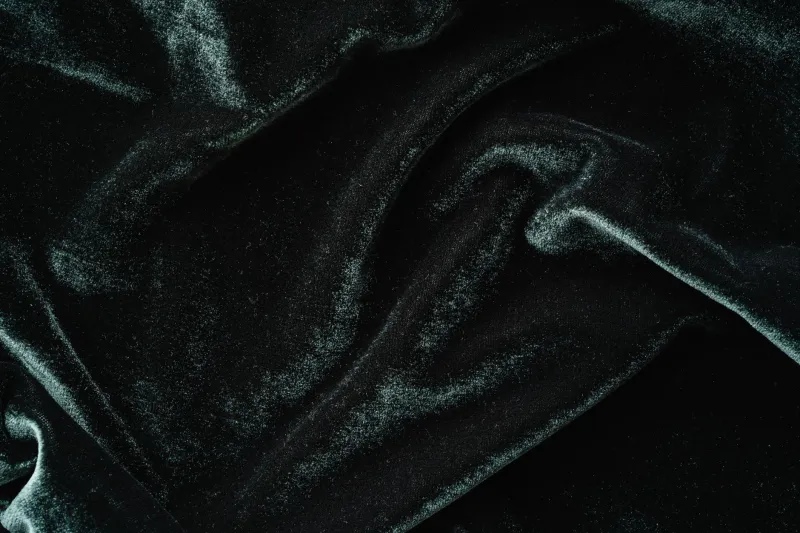
In the ateliers of Milan and the fabric districts of New York's Garment District, there exists a ritual that no photograph can capture. Before any conversation about color, pattern, or provenance, the serious buyer reaches out and touches the cloth. This is not ceremony. It is diagnosis.
The handshake between hand and fabric reveals what no product listing ever will: the density of the pile, the memory of the weave, the way a textile surrenders to gravity. For those who commission custom garments or invest in pieces meant to outlast trends, developing this tactile literacy is not a luxury — it is the foundation of every sound acquisition.
What the Hand Knows That the Eye Cannot
Visual inspection is a notoriously unreliable judge of quality. A velvet photographed under studio lighting can appear sumptuous while concealing a thin, loosely knotted ground. The hand, by contrast, cannot be deceived by styling or post-production.
Seasoned assessors listen for several signals when they draw fabric across their fingertips:
- Pile density. Run a hand against the nap of a quality velvet and feel resistance — a fullness that springs back rather than lying flat. Sparse pile separates into visible rows, a telltale sign of corner-cutting.
- Ground integrity. The backing weave should feel tight and substantial, not papery. A fragile ground is the most common failure point in cheaper velvets.
- Weight and drape. Lift the fabric and let it fall. Superior cloth descends in fluid columns; inferior material collapses in stiff folds or flutters too lightly.
- Recovery. Press a fingertip into the pile and release. Premium velvet rebounds quickly. Persistent marks suggest short fibers and weak resilience.
Mill owners speak of this in almost musical terms — a fabric has "hand" the way a wine has structure. It is an acquired vocabulary, but one that any committed collector can learn.
The American Context: Why Touch Matters More Now
The United States presents a particular challenge for the tactile shopper. Much of the country's luxury retail has migrated online, where velvet — the most tactile of all fabrics — is reduced to flat imagery and hopeful descriptions. A consumer in Chicago or Dallas may purchase a five-figure evening coat without ever having pressed a palm to its surface.
This makes in-person evaluation a genuine competitive advantage. Flagship boutiques on Madison Avenue, specialty fabric shows in Los Angeles, and trunk events in cities like Nashville and Austin offer rare opportunities to handle cloth before committing. The collectors who show up to these events are not being quaint. They are performing due diligence that the average buyer has quietly abandoned.
Building Your Own Hand Literacy
Tactile judgment is trainable. Consider a practical progression:
1. Establish a benchmark. Visit a reputable luxury retailer and handle genuinely fine velvet — even if you do not intend to buy. Your fingers need a reference point for what excellence feels like before they can identify compromise.
2. Compare across price tiers. Deliberately contrast a department-store velvet blazer with a premium example. Note the difference in weight, in the spring of the pile, in the sound the fabric makes as it moves. This comparative exercise accelerates learning more than any guidebook.
3. Learn the vocabulary. Terms like "hand," "nap," "ground," and "drape" are not jargon for its own sake. They allow you to communicate precisely with tailors, upholsterers, and sales associates — and to detect when someone is deflecting with vague language.
4. Interrogate the seller. When evaluating a piece in person, ask about fiber content, pile height, and construction. A knowledgeable vendor welcomes these questions. Evasion is itself a data point.
5. For commissions, handle the bolt. Anyone commissioning a custom garment should insist on touching the actual fabric before it is cut — not a swatch photographed for email, but the cloth itself, draped and weighed in the room.
When You Cannot Touch: Vetting Remotely
Distance shopping demands compensating strategies. Request physical swatches and evaluate them against your benchmark pieces. Read fiber compositions closely — cotton and silk velvets behave and age differently from synthetic piles. Study how fabric falls on models of your build, since drape is as personal as fit. And favor retailers with generous return policies; the ability to send back a textile that fails the hand test is part of its true cost.
The Deeper Return
There is a final argument for touch that transcends quality control. Fabric that has been chosen by hand is fabric that has been chosen — deliberately, knowledgeably, with the full engagement of the senses. That intention shows. A garment selected by fingertip carries an assurance that no algorithmic recommendation can replicate.
In a market flooded with visually convincing imitations, the hand remains the last honest critic. Cultivate it, and every future acquisition — velvet or otherwise — will be made with a confidence that begins, quite literally, at your fingertips.