One Fabric, Many Lives: Inside America's Fabric-First Wardrobes
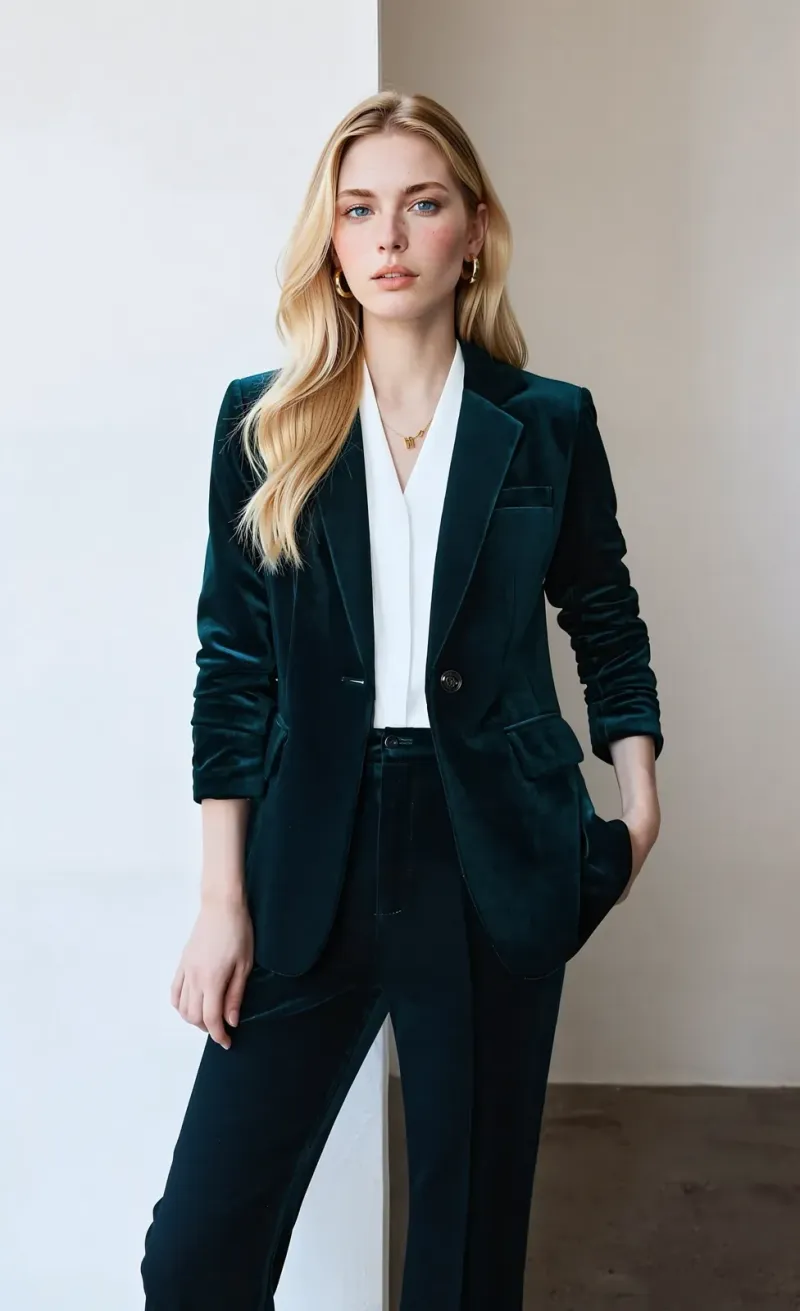
In a limestone townhouse on Chicago's Gold Coast, a wardrobe hangs in near-monochrome. Not of color — of cloth. Every piece, from a cropped evening jacket to a pair of wide-leg trousers, is cut from velvet. The closet's owner, a retired litigator who asked to be identified only as Margeaux, describes the collection not as a restriction but as a vocabulary. "When you stop shopping for silhouettes and start shopping for hand-feel," she says, "dressing becomes a form of fluency."
Margeaux belongs to a small but growing cohort of affluent American consumers practicing what industry insiders have begun calling the fabric-first wardrobe: a closet built around one signature textile, chosen for its tactile and enduring qualities rather than for trend relevance or seasonal novelty.
The Architecture of Restraint
New York wardrobe architect Camille Deveraux, whose firm curates closets for clients across the Northeast corridor, has watched the practice accelerate over the past three years. "My clients aren't asking for more clothes," Deveraux explains. "They're asking for coherence. A fabric-first wardrobe gives them a throughline — everything converses with everything else."
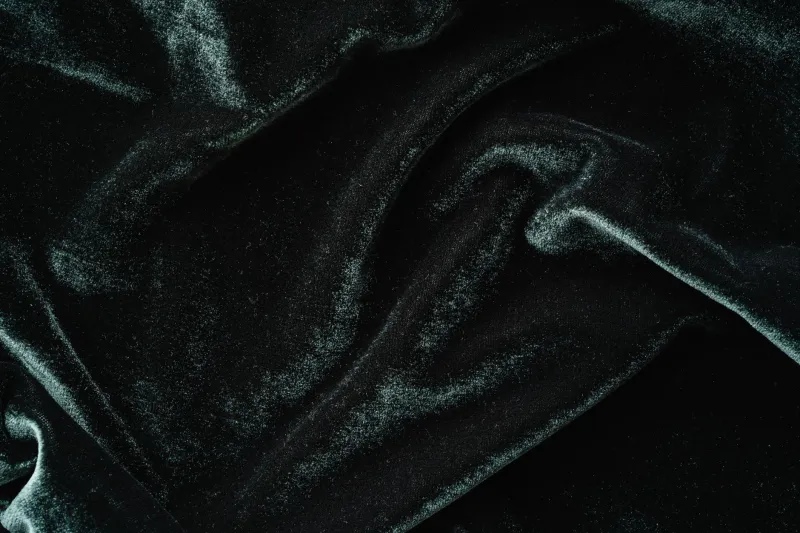
Deveraux begins engagements not with garments but with swatch sessions. Clients handle fabrics blind, ranking them by touch before any discussion of style. Velvet, she notes, wins more often than any other textile among her American clientele. "It carries memory in the pile. It photographs with depth. And it signals intention without a logo."
What the Conservator Sees
Textile conservator Ruth Okonkwo, who has restored garments for private collections and two East Coast museums, views the trend through a longer lens. "This is not new behavior," she says. "It's recovered behavior. Before the twentieth century's disposable cycles, a well-appointed American household owned fewer garments of far better cloth, and those garments were re-cut, re-lined, and inherited."
Okonkwo notes that velvet rewards this stewardship better than most fabrics. Properly stored — hung on padded hangers, never compressed, steamed rather than pressed — a quality velvet piece can remain serviceable for decades. "I've handled evening coats from the 1930s whose pile still rises when brushed against the nap. That longevity is precisely what draws today's collectors. They want clothes that outlast the conversation."
Her one caution: fabric-first wardrobes demand maintenance discipline. "If you concentrate your closet in one textile, you must concentrate your care knowledge, too. A crushed nap on cotton velvet is recoverable. On silk velvet, rarely."
The Capsule in Practice
Collectors who have made the switch describe a striking simplification. Austin-based investor Daniel Reyes pared his wardrobe to fourteen velvet and velvet-trimmed pieces two years ago. His reasoning was practical as much as aesthetic. "I was spending weekends managing a closet I didn't enjoy. Now I own pieces that get better with wear — the pile softens, the drape settles. It's the opposite of the fast-fashion depreciation curve."
Reyes acknowledges the approach requires confidence. "You will be recognized by your fabric. People remember 'the velvet guy.' For some that's a liability. For me it's the point."
A Statement About Consumption
What does the fabric-first wardrobe reveal about American luxury consumption in this decade? Deveraux believes it marks a turning away from volume as a status marker. "The truly established client no longer measures wealth in quantity. A closet of twelve exceptional pieces reads as more confident than one of two hundred."
Okonkwo frames it as a quiet corrective. "We spent thirty years treating clothing as content — something to be cycled and discarded. Building a wardrobe around a single durable textile is an argument that clothes can be assets, even companions."
For Margeaux in Chicago, the philosophy is simpler still. "Every morning I touch the same cloth and it tells me the same truth: I chose well. That's a luxury trends never gave me."
Building Your Own Fabric-First Foundation
For readers considering the approach, the experts offer consistent counsel. Begin with a swatch period before committing to garments. Invest in fewer, heavier-weight pieces from reputable mills. Learn the maintenance requirements of your chosen textile before your third purchase, not your thirtieth. And above all, choose a fabric you love to touch — because in a fabric-first wardrobe, that daily tactile relationship is the entire point.