The Art of Velvet Stewardship: A Complete Guide to Caring for Your Most Precious Textile Investments
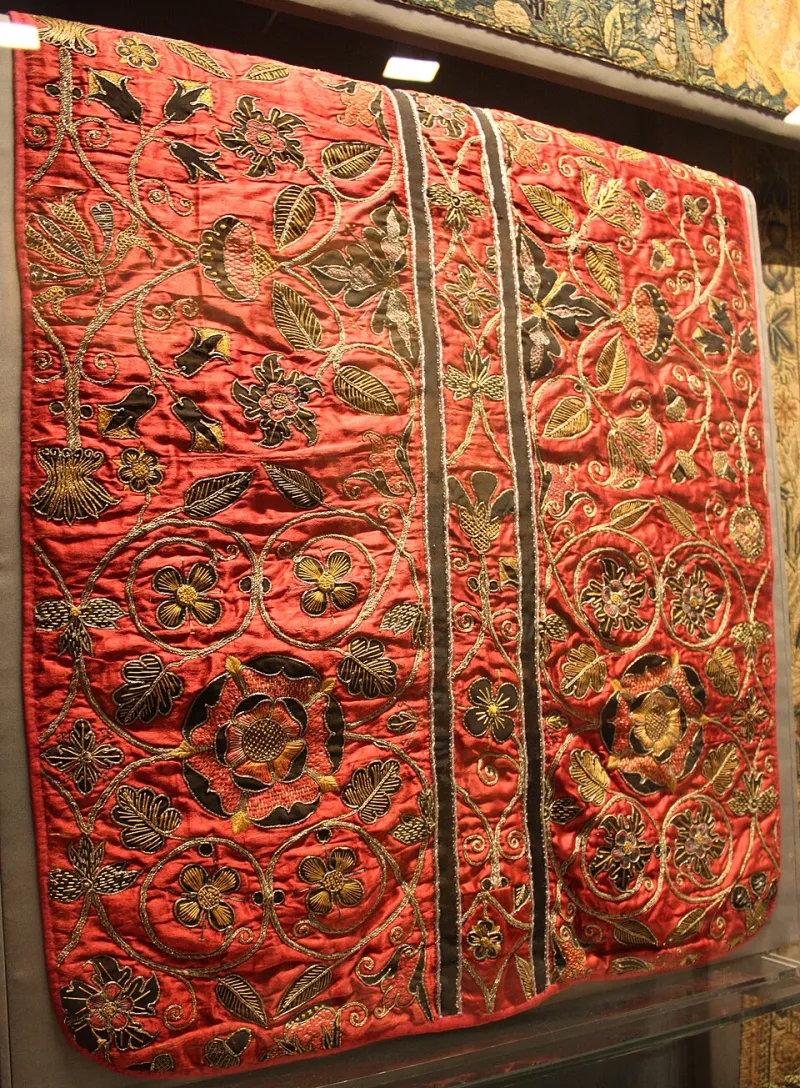
Photo: Wikipedia Loves Art participant "va_va_val", CC BY-SA 2.5, via Wikimedia Commons
A velvet garment of genuine quality is not merely a purchase — it is a commitment. The kind of commitment that, when honored with proper attention and care, returns dividends in the form of enduring beauty, sustained structure, and the quiet satisfaction of owning something that resists the ordinary passage of time. Yet for all velvet's grandeur on the hanger and the body, it remains one of the most misunderstood textiles among even seasoned luxury consumers.
The prevailing myth — that velvet is inherently fragile, temperamental, and perpetually one misstep away from ruin — has deterred countless discerning buyers from making investments they would otherwise welcome. At Velourss, we believe that myth deserves a thorough and final correction. Velvet is not fragile. It is particular. And particularity, properly understood, is simply the language of quality.
What follows is our definitive guide to velvet stewardship: the practices, precautions, and professional-grade techniques that will allow your velvet pieces to age with the same grace with which they were made.
Understanding What You Own
Before any care regimen can be properly applied, it is worth understanding the physical structure of velvet itself. Unlike woven textiles whose surface is flat, velvet is a pile fabric — meaning its distinctive softness and sheen arise from thousands of tiny cut or looped fibers standing upright from a woven base. It is this pile that creates velvet's characteristic depth of color and its responsiveness to light and touch.
The fiber composition of your velvet matters enormously and should be your first point of reference. Silk velvet, the most prestigious and historically significant variety, is the most luminous and the most delicate, requiring the greatest care. Cotton velvet offers considerably more durability and is somewhat more forgiving of everyday wear. Synthetic velvet — polyester or viscose-based — is the most resilient and the easiest to maintain, though it sacrifices some of the depth and warmth that distinguish luxury-grade textiles. Many of the finest contemporary velvet pieces use blended constructions: silk-polyester or cotton-silk combinations that balance aesthetic richness with practical wearability.
Knowing your fiber content is not academic. It determines every subsequent care decision, from cleaning method to storage approach.
The Cardinal Rule: Protect the Pile
Every aspect of velvet care flows from a single foundational principle: protect the pile. The upright fibers that give velvet its beauty are also its vulnerability. Crushing, friction, and moisture — applied carelessly or allowed to persist — are the primary agents of pile damage. A crushed or matted pile is not necessarily permanent, but preventing it is always preferable to remedying it.
In practical terms, this means developing a few key habits. Never fold a velvet garment along a crease for storage; folding crushes the pile precisely where the fabric bends. Avoid hanging velvet pieces on wire hangers or any hanger narrow enough to create pressure points at the shoulders. When seated in a velvet garment, be conscious of prolonged pressure against chair backs, which can flatten the pile at the shoulders and upper back over time.
These are not burdensome precautions. They are simply the attentiveness that any fine garment deserves.
Cleaning: When to Act and How to Proceed
For the majority of velvet garments, professional dry cleaning remains the gold standard. A cleaner with specific experience in luxury textiles — and ideally, experience with velvet in particular — will have both the chemical expertise and the equipment to clean the fabric without compromising its pile or structure. When selecting a cleaner, do not hesitate to ask directly about their experience with velvet. A reputable professional will welcome the question.
For minor, localized soiling — a small water mark or a light surface dust — there are effective at-home interventions, provided they are approached with appropriate care. A soft-bristled garment brush, applied gently in the direction of the pile, will lift surface dust and restore a degree of luster between professional cleanings. For a water mark, allow the affected area to dry completely before attempting any intervention; premature handling of damp velvet is one of the most common causes of permanent pile damage.
Steaming is among the most valuable tools in the velvet care repertoire, but technique is everything. Hold a handheld garment steamer several inches from the fabric's surface — never allow direct contact between the steam head and the velvet — and allow the steam to penetrate the pile gently. After steaming, use your fingertips or a soft brush to guide the pile back into alignment while the fibers are still warm and receptive. This technique is equally effective for reviving a crushed pile as it is for releasing light wrinkles.
Ironing velvet directly is, without exception, inadvisable. If you must press a velvet garment, place it pile-down on a clean, thick Turkish towel and apply a cool iron to the reverse side of the fabric, using minimal pressure. The pile will nestle into the towel's loops rather than being crushed flat.
Storage: The Foundation of Longevity
How you store your velvet pieces during the months they are not in active rotation is as consequential as how you clean them. The ideal storage environment for velvet is cool, dry, and dark — conditions that prevent both moisture damage and the fading that prolonged light exposure can cause in rich, saturated dyes.
For hanging storage, invest in wide, padded hangers that distribute the garment's weight evenly across the shoulder seam. Velvet blazers, jackets, and structured dresses should always be hung rather than folded. For pieces that must be stored flat — velvet trousers, for instance, or large evening gowns — roll them loosely around acid-free tissue paper rather than folding, which will prevent the pile from developing permanent crease lines.
Garment bags are your allies, but choose breathable fabric bags over plastic. Plastic traps humidity, which is precisely the enemy you are trying to exclude. A high-quality cotton or non-woven fabric garment bag allows air circulation while protecting against dust and light.
Cedar blocks or lavender sachets placed near — not in direct contact with — your velvet pieces will discourage moths and other textile pests without the chemical harshness of traditional mothballs, which can affect delicate dyes.
Debunking the Fragility Myth, Once and for All
Perhaps the most persistent misconception about velvet is that it cannot sustain the demands of regular wear. This is simply untrue of quality velvet, and it is worth stating plainly. A well-constructed velvet blazer worn to a business dinner, a velvet evening gown worn to a gala, a velvet midi skirt worn to an autumn gallery opening — these pieces, cared for as described above, will not deteriorate from use. They will, in fact, develop a subtle patina over time that speaks to their history and quality in precisely the way that a fine leather good or a well-maintained timepiece does.
The consumers who have been most disappointed by velvet are, almost invariably, those who were either working with lower-quality constructions or who were applying care practices appropriate to other fabrics. Neither outcome is inevitable.
An Investment Worth Making
At Velourss, our commitment extends beyond the moment of purchase. We believe that the relationship between a discerning wearer and an exceptional velvet garment is one of the most rewarding in the entire landscape of luxury fashion — provided it is built on knowledge as well as desire. The guidance above is offered in that spirit: not as a list of restrictions, but as the foundation for a confident, enduring, and deeply pleasurable ownership experience.
Velvet, treated with the respect it merits, does not merely survive. It flourishes.